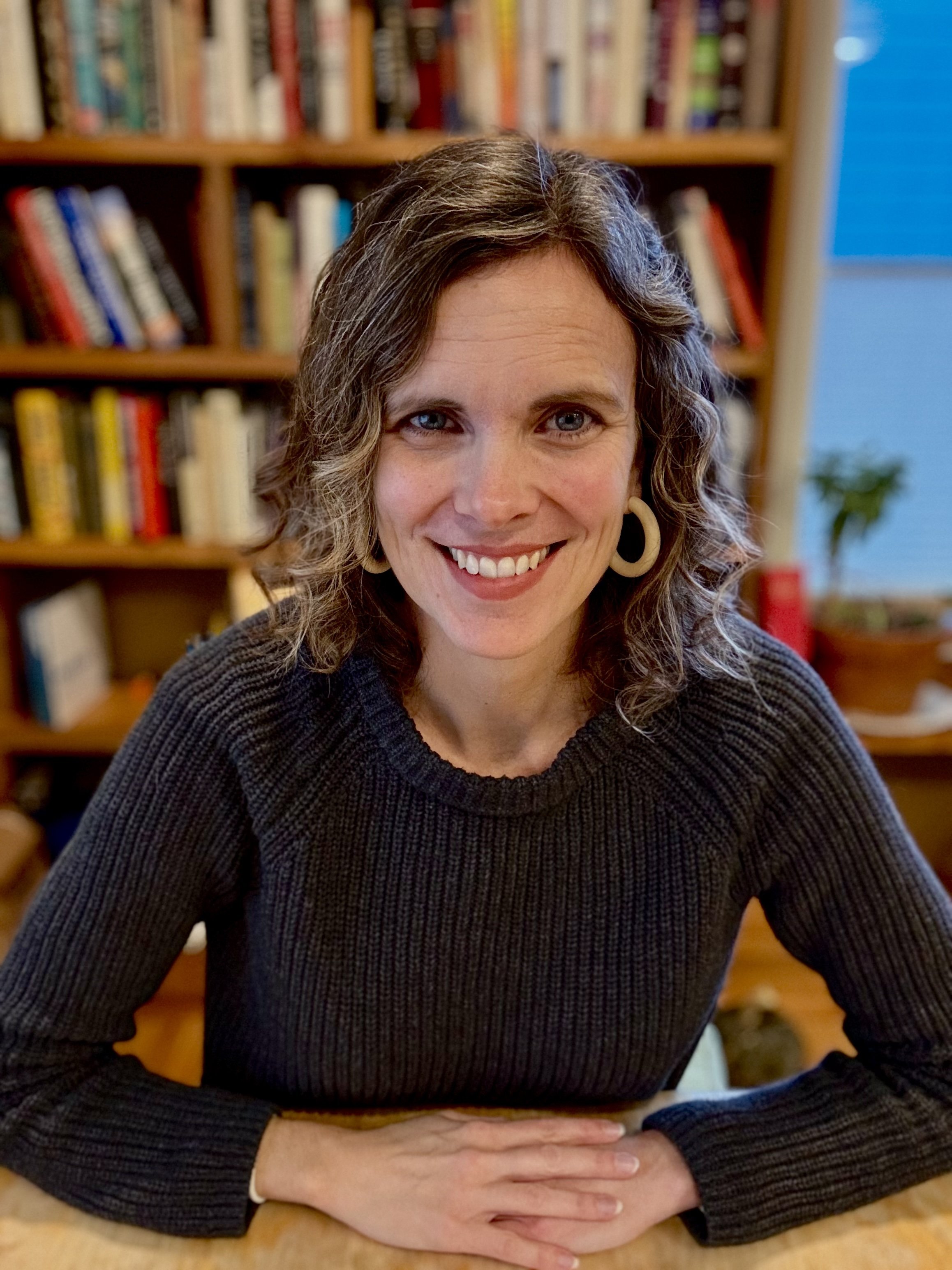
Crissie McMullan, Cofounder
I've spent my career building movements from the ground up. I co-founded FoodCorps, which started in four schools and colleges across Montana and grew to serve 170,000 children across 18 states. I later served as Executive Director of Mountain Home Montana, growing a local shelter for mothers and children into a national model for evidence-based care. I know what it looks like when communities organize around something that matters.
My relationship with AI started at mRelief, a national nonprofit that used technology to help people access SNAP benefits. As Development Director, I spearheaded fundraising from the likes of Google.org, GitLab, and Twilio to expand our AI-powered tools. Even in the early days when the technology was still buggy, I could see its tremendous potential.
And its risks.
I started reading everything I could find. I took courses, read books, subscribed to newsletters, followed media coverage. I grew increasingly concerned about everything from job displacement to longer-term existential risks like autonomous weapons systems beyond human control.
The flood of information was overwhelming. I almost gave up entirely. It felt too big, too technical, too far outside my lane.
Then, one sunny day on a family vacation, my 15-year-old daughter asked me about AI's dangers. I gave a flippant answer, something like, “First it’ll cure cancer. Then it’ll turn us all into paperclips.” She didn't laugh. She looked at me and said: "YOU are a grown up. Why aren't YOU doing something?"
She was right. And I realized that my problem, not knowing where someone like me fits in shaping AI's future, is exactly the problem with the rapid development and deployment of godlike technologies: there’s no clear place for concerned local leaders to participate in shaping our AI futures.
AI Realists exists to change that.
Local leaders may not yet know how large language models work or what’s inside a neural network. What we do know is how to organize, how to craft and enact locally-relevant policies, how to tackle global issues with day-to-day actions and perseverance. We know how to respond to unexpected crises, and how to vision decades in advance. We know how to get things done. And together, we can shape the AI future that’s best for us, our families, and our communities.
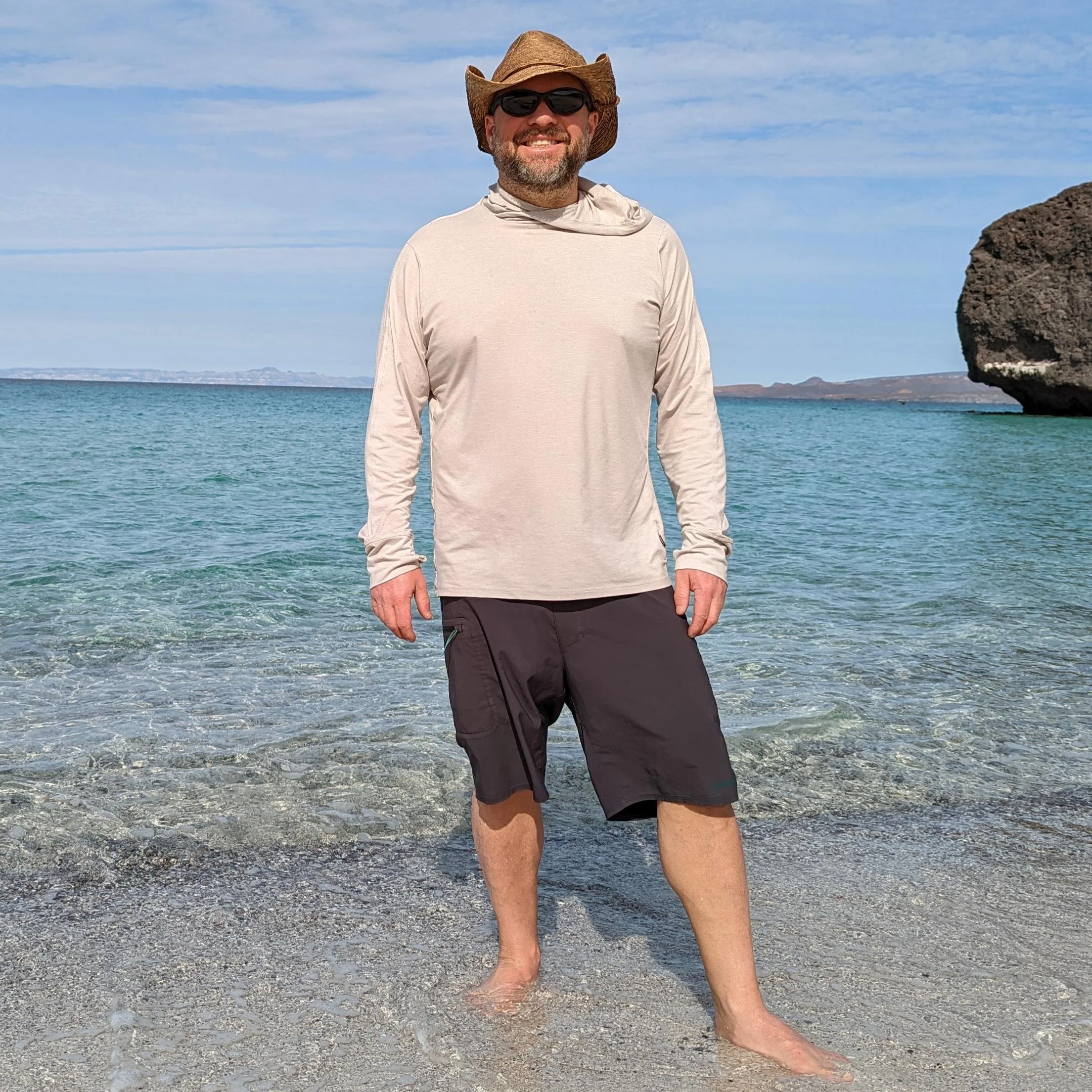
Jason Wiener, Cofounder
My work and studies have long gravitated to technology, politics, governance, and culture - including two terms on the Missoula City Council and fifteen years of information technology consulting from systems administration to data engineering and analytics. I've seen microtargeting overhaul elections, social media upend civic discourse, and coding agents redefine software development; I know what it looks like when evolving technology transforms how we live and work.
Nick Bostrom's Superintelligence was a pivotal orientation to the, at that time, nascent issues in alignment and social impact posed by artificial intelligence. For the decade since reading Superintelligence, I have tracked developments in the field as models scaled, gaining capabilities and driving a race fueled by historic capital expenditures. I've also adopted AI wherever I can to improve the speed, scale, scope, and sophistication of my work. I see the power and the peril in the technology.
I'm here because I believe we have a duty to take the future seriously, and AI is a growing force over that future. Heedlessly deploying unproven algorithms is irresponsible. So is sinking into quietism under a spell of inevitability. I want to realize the promises of an intelligence explosion; we will not see those without both articulating how we expect technology to serve human flourishing and taking collective action to ensure it. Let's make the way.